
Single-use products
– how do we combine hygiene and sustainability?
Sustainability is one of the healthcare sector’s most important future challenges, but hygiene and patient safety can never be compromised. For practices within gynecology, obstetrics, and rectal examinations, this raises a key question:
How can we combine the highest hygiene standards with the lowest possible environmental impact?
The debate around plastic and single-use products is often simplified. In healthcare, the reality is more nuanced.
Single-use products, essential for patient safety
Single-use products play a crucial role in preventing cross-contamination between patients. In examinations where instruments come into direct contact with mucous membranes, hygiene requirements are extremely high. In these situations, single-use products are often the safest option.
Reusable instruments, on the other hand, require:
Cleaning
Disinfection or sterilization
Documentation
Energy and water consumption
Use of chemicals
This shows that environmental impact is not only about materials, but about the entire process.

Life cycle perspective, the full picture determines the climate impact
To understand environmental impact, the entire product life cycle must be considered:
Raw materials
Production
Transport
Use
Waste management
Reusable instruments may appear more sustainable at first glance. However, repeated sterilization, water consumption, and chemical use also contribute to the overall footprint. In some clinical situations, single-use products can therefore be both more hygienically safe and more resource-efficient across the full life cycle.
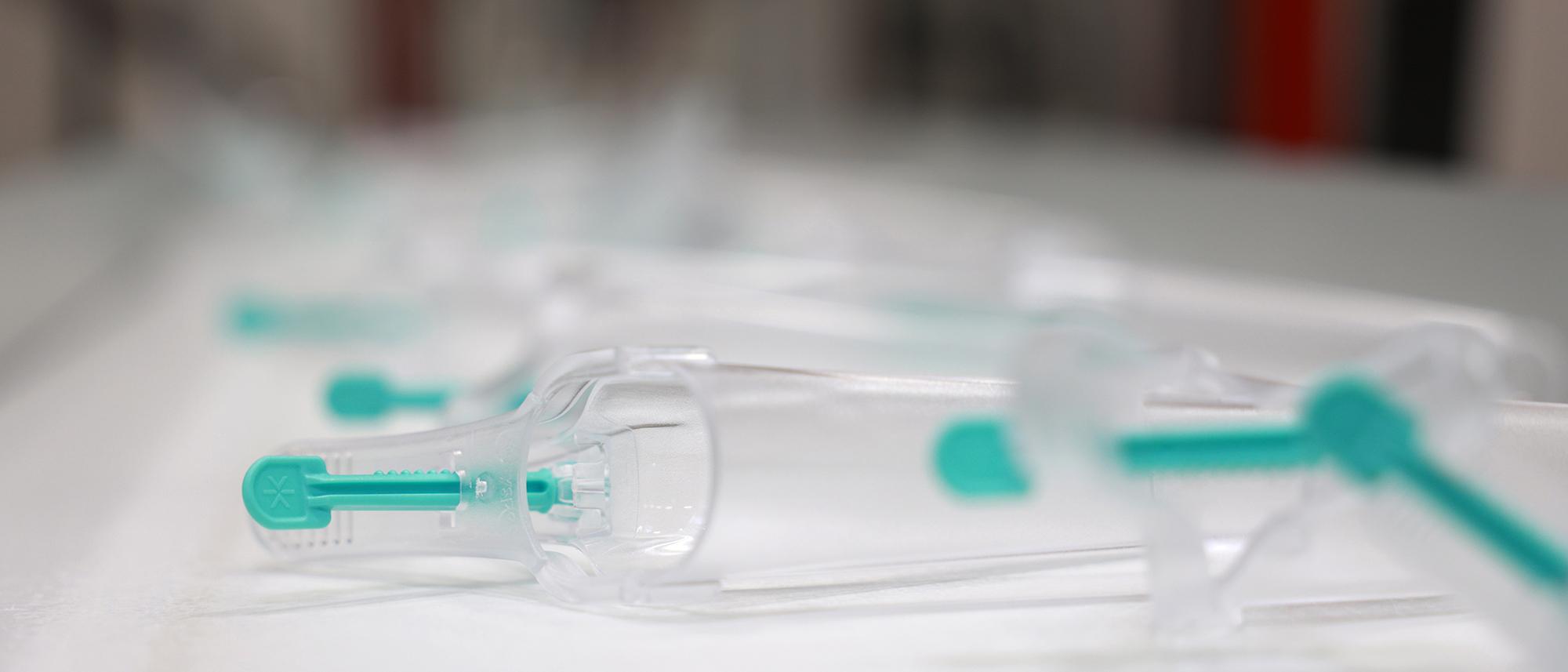
Shorter transport, better for the environment
Transport is often an overlooked factor. Producing close to the end market reduces:
Long international transport routes
Multi-stage warehousing
Unnecessary packaging solutions
At Cetro Medical, we manufacture our products in Sweden. Proximity between production and customer results in shorter supply chains, better control, and a reduced logistical footprint, a concrete part of our sustainability efforts.
Material efficiency and smart design
Sustainability also involves:
Optimizing material thickness without compromising safety
Minimizing production waste
Improving packaging efficiency
Ensuring proper waste sorting
Cetro also selects plastics with a low climate impact.
Small improvements in design and production can have a significant impact over time, especially at high volumes.
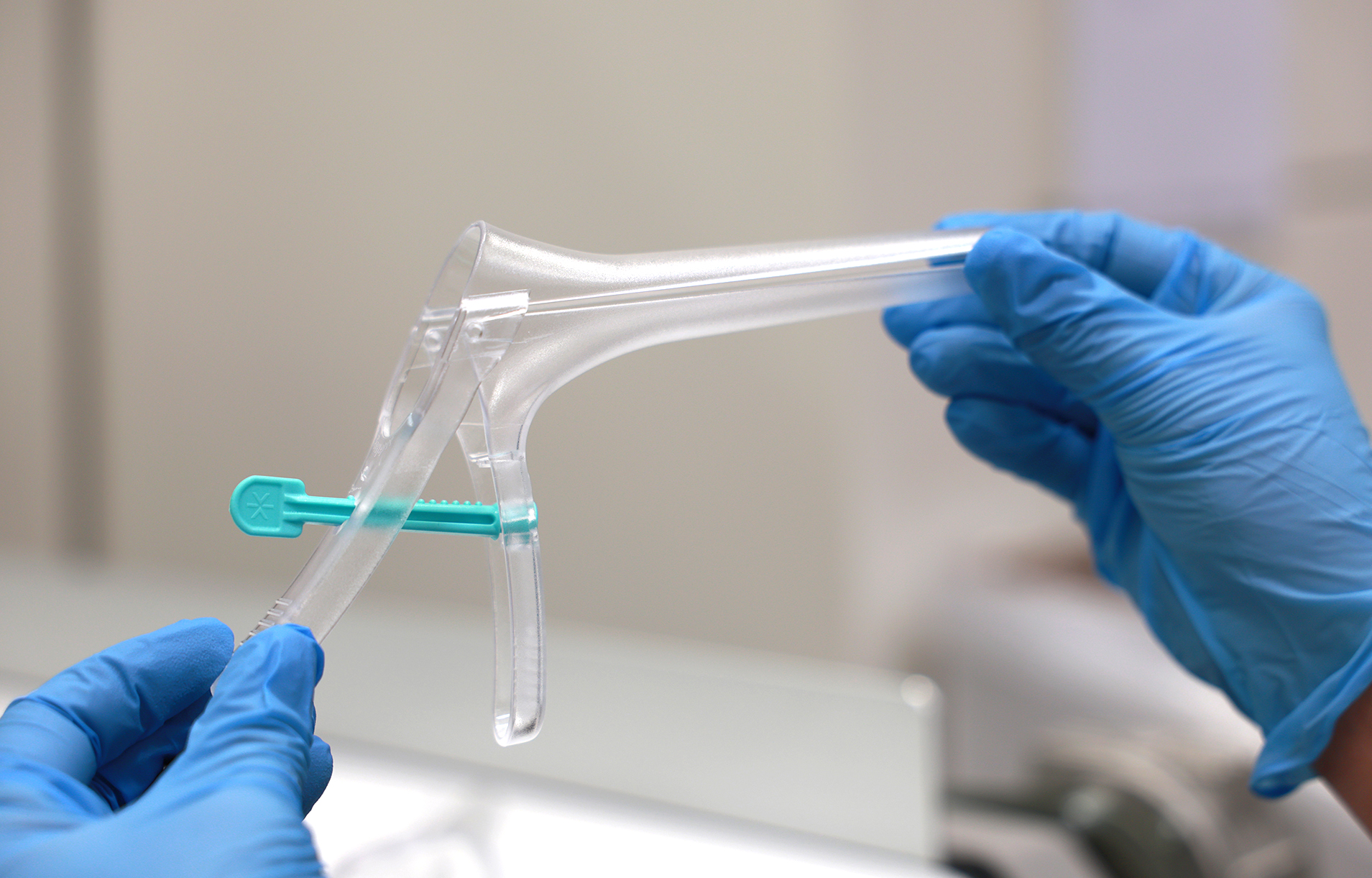
Balancing safety and sustainability
Plastic in healthcare raises important questions, and it should. However, hygiene requirements in medical technology can never be compromised. Patient safety must always come first.
As a manufacturer, our responsibility is to:
Ensure the product fulfills its function with the highest level of safety
Produce as resource-efficiently as possible
Continuously improve
Be transparent about our choices
Sustainability is an ongoing process, not a finished state.
The future of single-use product
Material technology is evolving rapidly. New polymers, more efficient production methods, and improved recycling are creating opportunities to further reduce environmental impact. Innovation in medical technology is not only about function, but also about responsibility.
Summary
Single-use products in healthcare are not a black-and-white issue. They are essential for infection control and patient safety. At the same time, the industry must continuously work to reduce environmental impact through efficient production, smart design, and shorter supply chains.
Sustainable healthcare is about balancing safety, quality, and environmental impact – always with the patient at the center.